
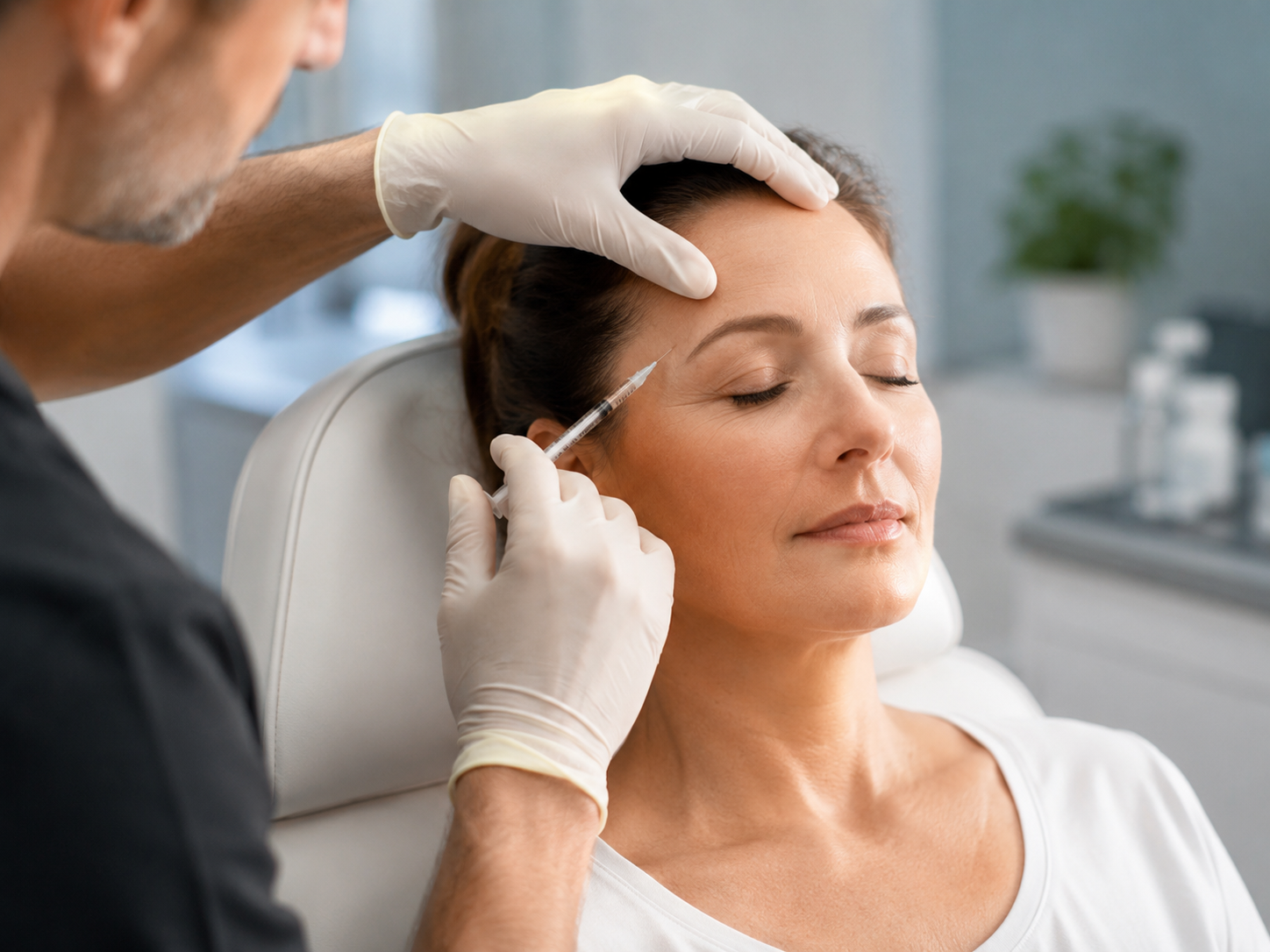
You likely know Botox as a way to smooth wrinkles or refresh a tired look. It is a staple in the beauty industry. However, for many people living with chronic discomfort, it is much more than a cosmetic fix.
The medical community has used Botox for pain management for decades to treat complex conditions that do not respond to traditional pills or therapy. Living with persistent pain is exhausting. It drains your energy and limits your ability to enjoy simple moments with family. We understand that you want a solution that works without the fog of heavy medication or the recovery time of surgery.
Botox offers a targeted, minimally invasive way to address the root of certain types of pain. This guide explains how this treatment works and which conditions it helps most. We want to help you decide if this approach fits your specific health goals.
How Botox for Pain Relief Works
Botox comes from a purified protein. When used for medical purposes, it acts as a messenger blocker. It stops signals that tell your muscles to contract, or that tell your nerves to send pain signals.
Most pain involves a cycle of tension and inflammation. When a muscle stays tight for too long, it can press on nerves and cause discomfort. We inject small amounts of Botox into these specific areas. The protein blocks the release of acetylcholine, which is the chemical that triggers muscle movement.
This process does more than just relax a tight muscle. Research shows that Botox also limits the release of other chemicals that signal pain to your brain. By calming both the muscle and the nerve pathways, we can provide lasting relief that feels natural.
Chronic Migraines and Targeted Relief
The most well-known use of Botox for pain is for chronic migraines. The FDA approved this treatment in 2010 for adults who experience 15 or more headache days per month.
If you feel like you spend half your life in a dark room, this treatment could be a turning point.
Unlike rescue medications that you take after a headache starts, Botox is a preventive measure. It aims to stop the migraine before it begins.
What the Treatment Looks Like
During a session, we use a very fine needle to perform a series of small injections. We target specific points around your head and neck. These include the forehead, temples, and the back of the head. Most patients find the process quick, usually lasting about 20 minutes.
What to Expect
You will not see a change the very next day. It typically takes two to three weeks to feel the initial benefits. Most of our patients notice the most significant improvement after their second or third treatment cycle.
We usually schedule these sessions every 12 weeks to maintain your progress. You can learn more about our approach to Botox migraine injections to see if this fits your needs.
Managing Muscle Spasms and Spasticity
If your pain comes from muscles that feel “locked” or “tight,” Botox may offer the relaxation you need. This is especially helpful for conditions like cervical dystonia. This condition causes the neck muscles to contract uncontrollably, pulling the head into painful positions.
We also use Botox to help patients recovering from a stroke or spinal cord injury. Sometimes, the brain sends constant “contract” signals to the limbs. This leads to stiffness that makes walking or reaching difficult.
By injecting Botox into the affected muscle group, we can help restore your range of motion.
This treatment is also an option for myofascial pain. If you have “trigger points” or painful knots that physical therapy cannot reach, Botox can help those muscles finally let go.
When Botox Is Not the Right Choice
We believe in being honest about what medical treatments can and cannot do. Botox is a specialized tool, but it is not a “cure-all.”
It is generally not effective for:
- Joint Arthritis: If your pain is due to bone-on-bone friction or cartilage loss, Botox will not help.
- Widespread Fibromyalgia: This condition involves the central nervous system rather than specific muscle groups.
- Acute Injuries: A sudden sprain or broken bone requires different types of medical care.
Our team, including Double Board-Certified experts in Interventional Pain Management & PM&R, will help you identify the exact source of your discomfort. We want to ensure you pursue only treatments with a high chance of success.
Your Experience During the Procedure
Many patients feel a little nervous about needles. We make the process as comfortable as possible. The needles we use are very thin, similar to those used for insulin. You might feel a tiny pinch, but the discomfort is brief.
After your appointment, you can usually drive yourself home and return to your normal routine.
We suggest that you avoid heavy exercise or rubbing the injection site for 24 hours. This ensures the protein stays exactly where we placed it.
Because Botox is localized, you avoid the systemic side effects of oral drugs. You won’t have to worry about the stomach upset or “brain fog” that often comes with daily pain pills. You can read more about how Botox compares to oral medications to understand the differences.
Getting Clear Answers on Targeted Botox Treatments
Is Botox good for pain relief?
Botox is very effective for specific types of chronic pain. It works best for conditions caused by muscle overactivity or nerve signaling issues, such as chronic migraines and cervical dystonia. If your pain is inflammatory or structural, like a herniated disc, other treatments may be better. We evaluate your history to ensure this is the right path for you.
Does Botox work immediately for pain?
No, it does not work instantly. The protein needs time to settle into the nerve endings and block the pain signals. Most people start to feel a difference within 7 to 14 days. The full effect usually peaks at about 6 weeks. If you need immediate relief from a flare-up, we may suggest other interventional options while you wait for the Botox to take effect.
How long does Botox last for pain?
On average, the effects last 10-12 weeks. Every person metabolizes the treatment differently. Some patients find relief for a full three months, while others notice it wearing off slightly sooner. We work with you to find a schedule that keeps your pain under control consistently.
What are the side effects of Botox injections for pain?
Most side effects are minor and stay near the injection site. You might experience slight bruising, redness, or a temporary headache. In rare cases, nearby muscles may feel slightly weak for a short time. We screen every patient carefully to ensure there are no underlying conditions that would make Botox unsafe.
A Personalized Path to Recovery
At Florida Spine & Pain Institute, we do not believe in one-size-fits-all medicine. Botox is a powerful option, but we often use it as part of a broader plan. This might include physical therapy to strengthen your muscles or regenerative medicine to support your body’s healing.
Our goal is to help you reclaim your daily function. We want to see you back at work, playing with your grandkids, or simply enjoying a headache-free day. It’s important to understand that Botox for pain is a medical treatment, not just a cosmetic one, and it requires expert application.
If you are tired of temporary fixes, let’s talk about a long-term strategy. Contact us today to schedule a consultation. We will listen to your story and help you find the most effective way to reduce your pain and improve your life.
Disclaimer: The information provided on our website is for informational purposes only and is not intended as a substitute for professional medical advice, diagnosis, or treatment. Always consult a qualified healthcare provider about any health concerns or before starting a new treatment. We respect the privacy and confidentiality of our patients’ information and adhere to the highest standards of medical ethics. At Florida Spine & Pain Institute, we’re here to help you explore the options that are right for you.